Mastering Homemade Pasta: The Simple Flour & Eggs Secret
Forget everything you thought you knew about making pasta from scratch. If visions of complex techniques, exotic ingredients, and hours of toil have kept you from experiencing the unparalleled joy of fresh, homemade pasta, prepare for a delicious awakening. The truth is, crafting incredible pasta at home is far from rocket science. In fact, with just a few basic ingredients – primarily flour and eggs – and a little patience, you can create a culinary masterpiece that rivals any restaurant dish. This comprehensive guide will equip you with a straightforward
homemade pasta recipe that demystifies the process, proving that making pasta from scratch is truly simpler than you think.
For too long, many "basic" homemade pasta recipes have overcomplicated what should be a delightful kitchen adventure. They bombard aspiring home cooks with intricate formulas, exhaustive instructions, and a bewildering array of ingredient options. But today, we're cutting through the noise to reveal a secret the pasta gods might not want you to know: magnificent, tender, from-scratch pasta can be made with minimal fuss and readily available staples.
The Quintessential Homemade Pasta Recipe: Ingredients Breakdown
At its heart, a truly authentic and delicious homemade pasta recipe relies on just a handful of quality ingredients. Understanding their role is key to unlocking perfect texture and flavor.
- Flour: The Foundation
Traditionally, fresh pasta is crafted from durum wheat flour, often referred to as semolina flour. Durum wheat is celebrated for its high protein content and strong gluten structure, which gives pasta its characteristic chew and helps it maintain its shape during cooking. However, don't let the absence of semolina deter you! Regular all-purpose flour works wonderfully and is what many home cooks (including seasoned ones) use almost exclusively. Its versatility makes it an excellent choice for a beginner's homemade pasta recipe. Some have even experimented successfully with all-purpose Einkorn flour, substituting it 1:1 without additional changes, despite Einkorn's reputation for being finicky in other recipes. If you're feeling adventurous and want to incorporate more whole grains, freshly milled whole-wheat flour is an option, though you might need to adjust the liquid content slightly to account for its coarser texture and higher absorption. For the silkiest results, look for "00" flour, an extra-fine Italian milled flour, but all-purpose is a fantastic starting point.
- Eggs: The Binder and Enricher
While some recipes specify using only egg yolks for a richer, more tender pasta, whole eggs are perfectly suitable and often preferred for their ease and the subtle chewiness they impart. Eggs are crucial for binding the flour, adding moisture, and enriching the dough with flavor and a beautiful golden hue. Farm-fresh eggs will lend a vibrant color and richer taste, but standard store-bought large eggs will yield excellent results.
- Salt: The Flavor Enhancer
A touch of fine sea salt is essential. It doesn't just season the dough; it helps tighten the gluten structure and enhances all the other flavors. Fine sea salt is preferable as it dissolves and absorbs into the dough more quickly and evenly than coarser salts.
- Olive Oil (Optional but Recommended)
A small drizzle of good quality extra virgin olive oil, as advocated by many Italian home cooks, can make a significant difference. It contributes to a silkier, more pliable dough that's easier to work with and adds a subtle richness to the final cooked pasta. This small addition can elevate your homemade pasta from scratch experience.
Your Go-To Easy Homemade Pasta Dough Recipe (Yields approximately 1 pound)
- 2 cups all-purpose flour (or a blend of AP and semolina)
- ½ teaspoon fine sea salt
- 3 large eggs
- 1 teaspoon extra virgin olive oil (optional)
Crafting Your Dough: Step-by-Step Instructions
The process of bringing these simple ingredients together is surprisingly meditative and rewarding.
- Combine & Create a Well: In a large bowl or directly on a clean, spacious work surface (a common method that allows for better kneading), combine the flour and salt. If using a work surface, form the flour mixture into a mound and create a deep well in the center, much like a volcano.
- Add Liquids: Crack the eggs into the well. If using olive oil, add it now.
- Gentle Mixing: Using a fork or your fingertips, gently begin to whisk the eggs and olive oil in the center of the well. Gradually, with each stroke, start drawing in small amounts of flour from the inner walls of the well. Continue this process, slowly incorporating more flour until a shaggy, stiff dough begins to form. At this point, you can discard the fork and use your hands.
- Kneading for Perfection: Once the ingredients are mostly combined and you have a somewhat cohesive mass, it's time to knead. This is arguably the most crucial step for developing the gluten and achieving that signature chewy texture. Knead the dough vigorously for 8-10 minutes. The dough will initially be quite stiff and perhaps even crumbly, much stiffer than traditional bread dough. However, with continued kneading, it will transform, becoming progressively smoother, more elastic, and wonderfully pliable. You’re looking for a smooth, satiny consistency – if it's still rough, keep kneading! The longer you work it, the more developed the gluten will become, making it easier to roll later.
- Troubleshooting: If your dough is too dry and won’t come together, add a ½ teaspoon of water at a time, kneading after each addition, until it’s cohesive. If it’s too sticky, sprinkle in a bit more flour, a tablespoon at a time, until it reaches the desired stiffness.
- The All-Important Rest: Once your dough is smooth and satiny, form it into a ball, cover it tightly with plastic wrap or a damp cloth, and let it rest at room temperature for at least 30 minutes, or up to an hour. This resting phase is non-negotiable! It allows the gluten to relax, making the dough much easier to roll out later without fighting its elasticity. Without this rest, you’ll find yourself battling a stubbornly springy dough.
The Art of Rolling and Shaping Your Pasta
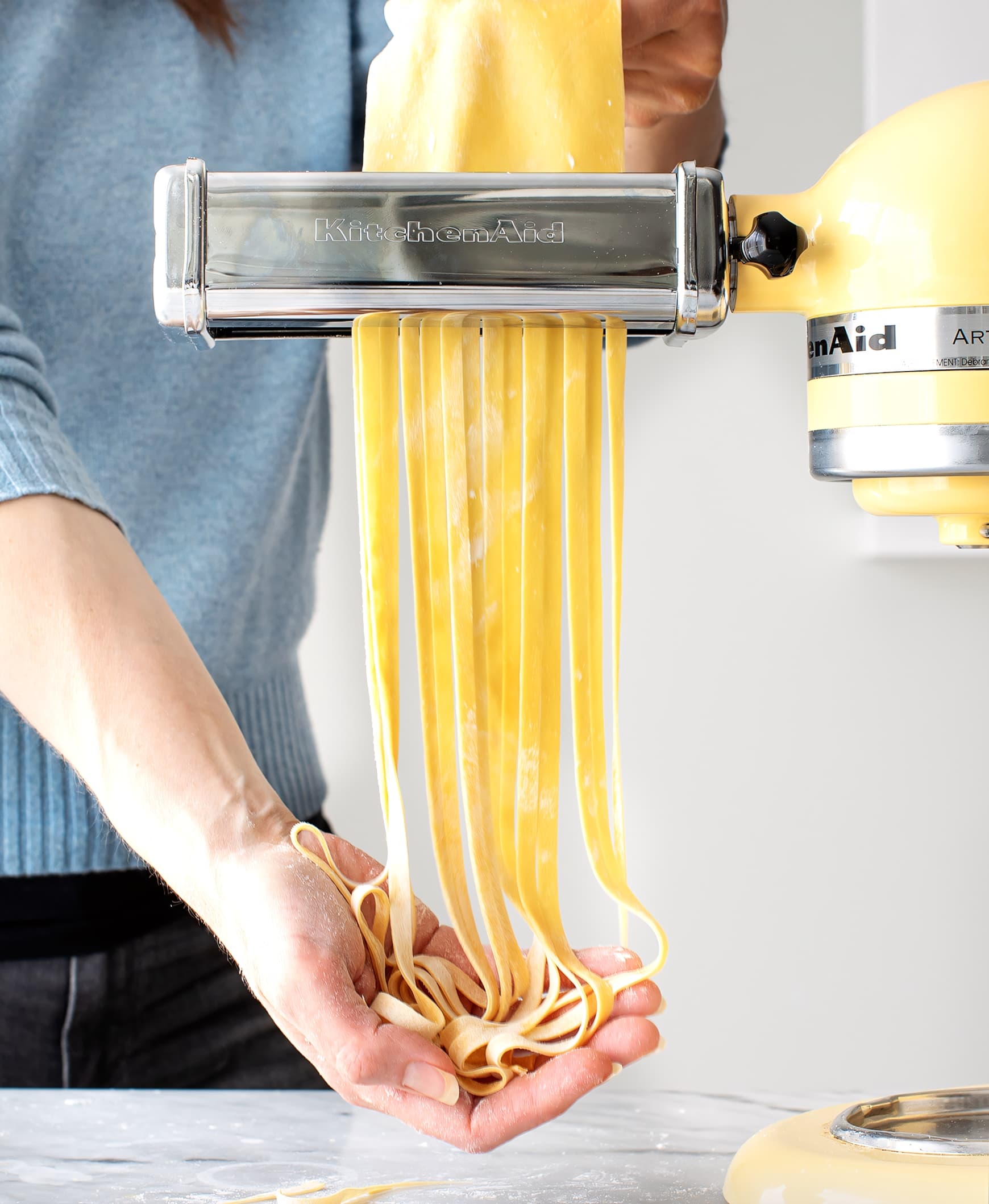
Now comes the truly fun part – transforming your rested dough into beautiful strands of pasta. While you don't *need* special equipment, a pasta machine (manual or electric) will undoubtedly make your life significantly easier and yield more consistent results.
- Prepare for Rolling: Divide the rested dough into 2-4 portions. Flatten each portion slightly into a small disk or rectangle; this makes it easier to feed into the pasta machine. Keep any portions you're not actively working with covered to prevent them from drying out.
- Using a Pasta Machine:
- Set your pasta machine to its widest setting (usually '1'). Feed one flattened portion of dough through.
- Fold the dough in half or in thirds, then feed it through the widest setting again. Repeat this folding and rolling process 2-3 more times. This helps to further develop the gluten and create a perfectly smooth sheet.
- Now, gradually decrease the thickness setting, feeding the dough through each setting once or twice, until you reach your desired thinness. For most fresh pasta, settings 5 or 6 (out of 7 or 8) are ideal for fettuccine or spaghetti. The sheet should be thin enough that you can almost see your hand through it.
- Manual Rolling (No Machine? No Problem!): If you don't have a pasta machine, a sturdy rolling pin and some elbow grease will do the trick. On a lightly floured surface, roll out one portion of dough, rotating it frequently and flipping it over, until it's incredibly thin and even. This requires more effort but is entirely achievable. Aim for a thickness similar to a pasta machine's 5 or 6 setting.
- Shaping Your Pasta: Once your pasta sheets are rolled to the desired thickness:
- Fettuccine or Tagliatelle: Lightly flour the sheet, fold it loosely into an accordian shape or roll it into a loose log. Using a sharp knife, cut into desired widths (fettuccine is about ¼ inch, tagliatelle slightly wider). Unfurl the strands and dust with a little more flour to prevent sticking.
- Lasagna Sheets: Simply cut the rolled sheets into rectangles of your preferred size.
- Ravioli/Tortellini: Use the sheets with your preferred filling and shaping method.
- Drying (Optional): Fresh pasta can be cooked immediately. However, if you're not using it right away, you can air dry it for about 30 minutes to an hour on a pasta drying rack or even draped over a clean broomstick suspended between two chairs, just like grandma used to do! This helps it hold its shape and prevents sticking.
Serving Your Freshly Made Masterpiece
Cooking homemade pasta is a quick affair. Bring a large pot of heavily salted water to a rolling boil. Fresh pasta cooks much faster than dried pasta – usually in 2-4 minutes, depending on its thickness. It’s done when it floats to the top and is al dente (firm to the bite).
There’s nothing quite like the taste of fresh pasta. Its tender texture and rich egg flavor pair beautifully with a wide array of sauces. From a robust Bolognese Ragù to a simple Pomodoro Sauce, or even just butter, Parmesan, and a crack of black pepper, your homemade creation will shine. Remember that delightful Sunday evening tradition of twirling long, silky noodles on a fork? You're about to create those memories in your own kitchen.
Mastering a
homemade pasta recipe is a culinary journey that rewards you with incredible flavor and a deep sense of accomplishment. It’s proof that the most extraordinary dishes often come from the simplest ingredients and a willingness to embrace a bit of hands-on magic. So, gather your flour and eggs, roll up your sleeves, and prepare to elevate your weeknight meals and special occasions alike with truly homemade pasta.