Ditching the Complicated: Why Homemade Pasta Is Easier Than You Think
For many home cooks, the idea of making pasta from scratch conjures images of complicated machinery, obscure ingredients, and hours of painstaking labor. It’s often seen as a culinary feat reserved for seasoned chefs or Italian grandmothers. But what if we told you that perception is largely a myth? Forget the intimidation tactics and convoluted instructions you might find floating around online. The truth about making fresh, delicious
homemade pasta from scratch is far simpler than you've been led to believe.
At its core, crafting your own pasta dough is about embracing a handful of basic ingredients and a surprisingly straightforward process. There's no need for rocket science in your kitchen when it comes to this timeless culinary tradition. This article is here to demystify the art of fresh pasta, revealing the secrets that make it not just achievable, but genuinely enjoyable for anyone. Prepare to revolutionize your Sunday dinners with silky, tender noodles that taste infinitely better than anything from a box, all made with your own two hands.
The Simple Truth: Essential Ingredients for Your Homemade Pasta Recipe
You'll be amazed at how few items you truly need to create a magnificent batch of fresh pasta dough. Forget lengthy shopping lists – your journey to the perfect
easy homemade pasta dough with just flour & eggs begins with just three core ingredients.
Flour Power: Choosing Your Base
The foundation of any great pasta is, naturally, flour. While traditional Italian pasta often relies on *durum wheat flour*, also known as semolina, its unique properties aren't a strict requirement for a fantastic homemade result. Semolina boasts a high protein content and strong gluten, which gives pasta its desirable chewiness and helps it maintain shape during cooking. However, don't let its specific name deter you!
*
All-Purpose Flour: This is the hero of simplicity and what many home cooks (including ourselves) reach for most often. Regular all-purpose flour works beautifully, yielding a tender yet firm pasta that’s incredibly versatile. It's readily available and forgiving, making it perfect for beginners.
*
Einkorn Flour: For those interested in ancient grains, all-purpose Einkorn flour can also be a delightful substitute. While Einkorn can sometimes be finicky in other baking applications, it handles remarkably well in pasta dough. You can swap it 1:1 for standard all-purpose flour without needing to adjust other ingredients.
*
Whole-Wheat Flour: If you prefer a nuttier flavor and added fiber, freshly milled whole-wheat flour is an option. Just be aware that its coarser texture may require you to add a touch more liquid (a half teaspoon of water at a time) to achieve the desired dough consistency.
Eggs: The Golden Binder
Eggs are vital for enriching the dough, adding color, flavor, and elasticity. While some traditional recipes might specify using only egg yolks for an extra-rich dough, whole eggs are generally preferred for homemade pasta. They provide the perfect balance of moisture and richness, making the dough easier to work with. Farm-fresh eggs will lend a beautiful golden hue and unparalleled flavor, but standard store-bought large eggs will perform perfectly well.
Salt: Enhancing the Flavor
A pinch of salt might seem insignificant, but it plays a crucial role in bringing out the subtle flavors of the pasta itself. Fine sea salt is often preferred because its smaller crystals dissolve and absorb into the dough more quickly and evenly, ensuring consistent seasoning throughout. Don't skip this simple but effective addition!
A Note on Olive Oil (Optional, but Recommended)
While not strictly essential for the basic dough, a small splash of high-quality olive oil, as favored in some Mediterranean traditions, can add a subtle silkiness and malleability to your dough. A teaspoon or two can make the kneading process a little smoother and impart a lovely aroma.
Crafting Your Dough: A Step-by-Step Homemade Pasta Recipe
With your simple ingredients gathered, it’s time to bring them together into a beautiful, pliable dough. This recipe yields approximately one pound of fresh pasta, perfect for serving 4-6 people.
Your Basic Homemade Pasta Recipe:
* 2 cups all-purpose flour (or chosen flour type)
* 1/2 teaspoon fine sea salt
* 3 large eggs
* 1-2 teaspoons olive oil (optional)
The Method: From Flour to Form
1.
Combine Dry Ingredients: On a clean, spacious work surface (like a large wooden board or countertop), pile your flour into a mound. Sprinkle the fine sea salt over the flour and give it a quick whisk with your fingers to combine.
2.
Create a Well: Using your fist or a spoon, create a deep well in the center of the flour mound, much like a volcano. Make sure the sides of the well are sturdy enough to contain the liquid.
3.
Add Wet Ingredients: Crack the three large eggs directly into the well. If using, add the olive oil here as well.
4.
Gently Mix: Using a fork, gently whisk the eggs in the center of the well. Gradually, begin to draw small amounts of flour from the inner walls of the well into the egg mixture. Continue mixing, slowly incorporating more flour, until the eggs are fully absorbed and a shaggy, stiff dough begins to form. At this point, you can discard the fork and use your hands.
5.
Bring Together and Knead: Gather all the flour and egg mixture together with your hands, pressing it into a cohesive ball. Now comes the most crucial part: kneading. This process develops the gluten in the flour, which gives your pasta its structure and elasticity.
*
Knead vigorously for 8-10 minutes. Push the dough away from you with the heel of your hand, fold it back over, rotate, and repeat.
*
Consistency Check: This dough will be significantly stiffer than traditional bread dough, but it shouldn't be crumbly. If the dough is too dry and won't come together, add 1/2 teaspoon of water at a time, kneading it in thoroughly. If it's too sticky, sprinkle in a bit more flour, a teaspoon at a time.
*
Look for Smoothness: As you knead, the dough will transform from a rough, lumpy mass into a smooth, satiny, and elastic ball. If your dough still feels rough or resists shaping, keep kneading! The longer you work it, the smoother and more pliable it will become.
6.
The Resting Phase: Once your dough is beautifully smooth and elastic, form it into a ball. Wrap it tightly in plastic wrap or place it in an airtight container. This resting phase is absolutely essential. It allows the gluten to relax, making the dough much easier to roll out. Skip this step, and you’ll find yourself fighting a very springy, resistant dough. Let it rest at room temperature for at least 30 minutes, or up to an hour.
Rolling and Shaping: Bringing Your Pasta to Life
After its well-deserved rest, your dough is ready to be transformed into luscious pasta strands. Divide the dough into four equal portions – this makes it more manageable to work with. Lightly dust your work surface and rolling tools with flour to prevent sticking.
Using a Pasta Maker: Efficiency and Precision
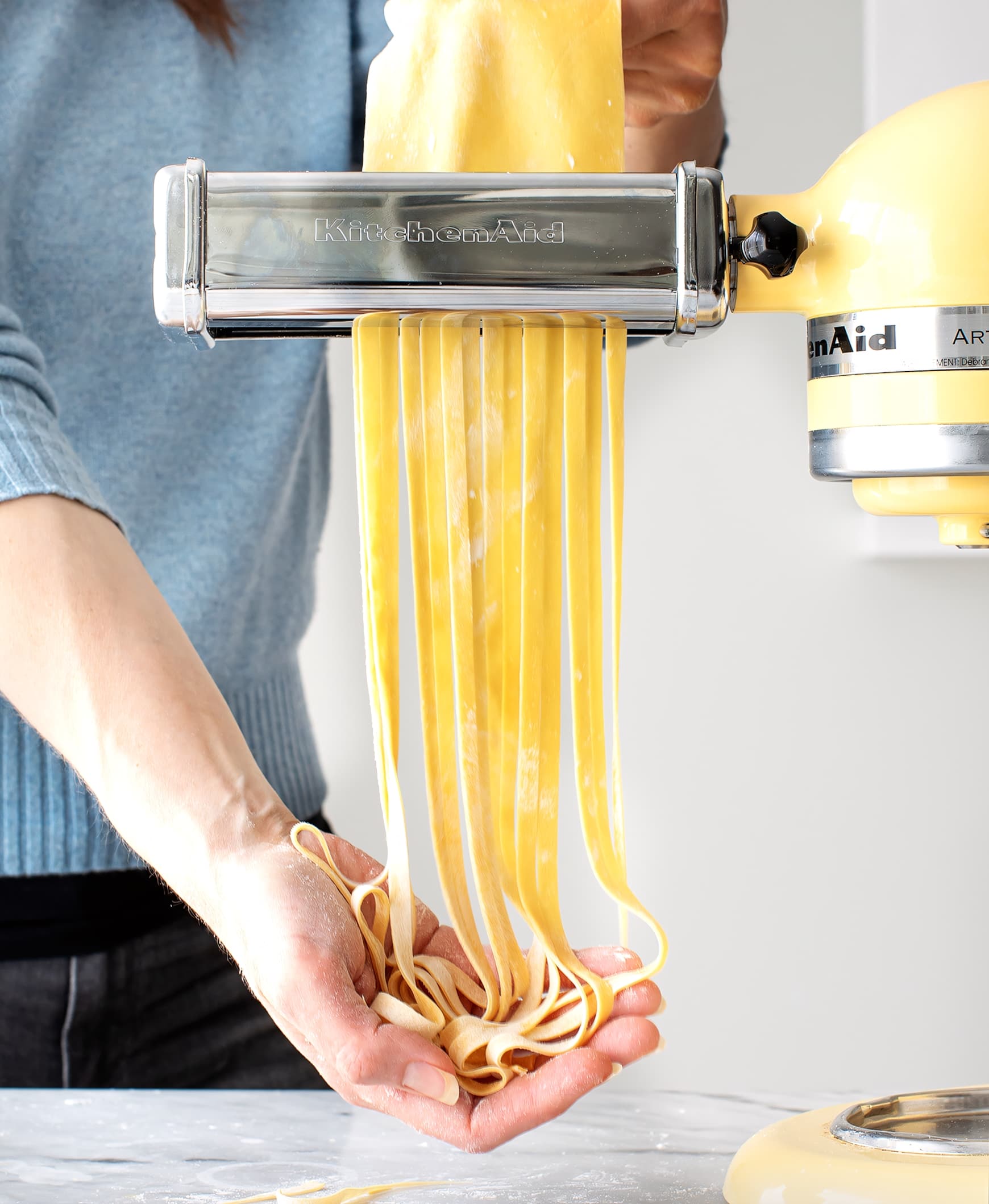
While not strictly necessary, a pasta machine (either a hand-cranked model or a stand mixer attachment) will significantly simplify the rolling process and help you achieve uniform thickness.
1.
Flatten First: Take one portion of dough and flatten it into a rough rectangle or oval with your hands or a rolling pin.
2.
First Pass: Set your pasta machine to its widest setting. Feed the flattened dough through. Fold the resulting sheet into thirds (like a letter) and feed it through the widest setting again. Repeat this folding and passing 2-3 times. This helps to further develop the gluten and create a perfectly smooth sheet.
3.
Gradual Thinning: Now, without folding, gradually decrease the thickness setting on your machine, passing the dough through each setting once or twice. For most types of pasta, you'll want to go down to setting 6 or 7 (on a typical 9-setting machine). The dough should be thin enough to be slightly translucent.
4.
Repeat: Continue this process with the remaining dough portions. Keep any dough you’re not actively working with covered to prevent it from drying out.
Hand Rolling: The Traditional Touch
Don't have a pasta maker? No problem! A good old-fashioned rolling pin and some elbow grease will get the job done.
1.
Work in Batches: Take one portion of dough and flatten it slightly.
2.
Roll Thin: Using a sturdy rolling pin, roll the dough outward from the center, rotating it frequently and flipping it over occasionally. Aim for a consistently thin sheet, as thin as possible without tearing. This requires patience and practice but is incredibly satisfying.
3.
Dust as Needed: Lightly dust the dough and your work surface with flour to prevent sticking as you roll.
Cutting Your Pasta: From Sheets to Strands
Once your dough sheets are rolled to your desired thickness, it’s time to cut them.
*
With a Pasta Maker: Many pasta makers come with cutting attachments for fettuccine, tagliatelle, or linguine. Simply feed your rolled sheets through the desired cutter.
*
By Hand: Dust your pasta sheets with a little flour, then gently roll them up loosely, starting from one short end. Using a sharp knife, slice the rolled dough into strips of your desired width (e.g., 1/4-inch for fettuccine, narrower for linguine). Unfurl the cut noodles immediately and toss them with a little extra flour to prevent them from sticking together.
*
Drying: For longer noodles, you can hang them to dry for 20-30 minutes on a pasta drying rack, clean broom handle (as my Italian mother did!), or even coat hangers. This helps them firm up slightly before cooking.
From Kitchen to Table: Cooking Your Fresh Homemade Pasta
Now for the best part – cooking and enjoying your culinary creation! Fresh pasta cooks significantly faster than dried pasta, so pay close attention.
Cooking Your Pasta:
1.
Boil Water: Bring a large pot of heavily salted water to a rolling boil. Don't skimp on the salt – it seasons the pasta from within.
2.
Add Pasta: Gently add your fresh pasta to the boiling water. If you're cooking long noodles, they might seem too long at first, but they will quickly soften and submerge.
3.
Cook Quickly: Fresh pasta typically cooks in just 2-4 minutes, depending on its thickness. It’s done when it’s *al dente* – tender but still with a slight bite. Taste a piece to be sure!
4.
Drain and Serve: Use tongs or a spider strainer to transfer the pasta directly into your warmed sauce. Toss immediately to coat. You can reserve a cup of the pasta cooking water to help thin the sauce if needed, as its starchiness helps bind the sauce to the pasta.
Serving Suggestions:
The beauty of homemade pasta is its versatility. Serve it simply with good quality olive oil, a sprinkle of Parmesan, and freshly cracked black pepper. Or pair it with classic sauces like a rich Bolognese Ragù, a vibrant Pomodoro sauce, or a creamy Alfredo. The delicate texture and superior flavor of your fresh pasta will elevate any dish.
Storing Fresh Pasta:
*
Uncooked: Fresh pasta can be refrigerated for 1-2 days. Toss it lightly with flour to prevent sticking, then store it in an airtight container or zip-top bag.
*
Freezing: For longer storage, you can freeze fresh pasta. Arrange individual portions of noodles on a floured baking sheet and freeze until firm (about 30 minutes). Once frozen, transfer them to a freezer-safe bag or container. Cook directly from frozen, adding a minute or two to the cooking time.
Making homemade pasta from scratch isn't just about the food; it's about the experience. It's about connecting with a traditional craft, savoring the simple pleasure of creating something truly delicious with your own hands, and sharing that joy with loved ones. Once you taste the difference, you'll wonder why you ever bought it from a box. Enjoy the journey, and prepare for a new family favorite!